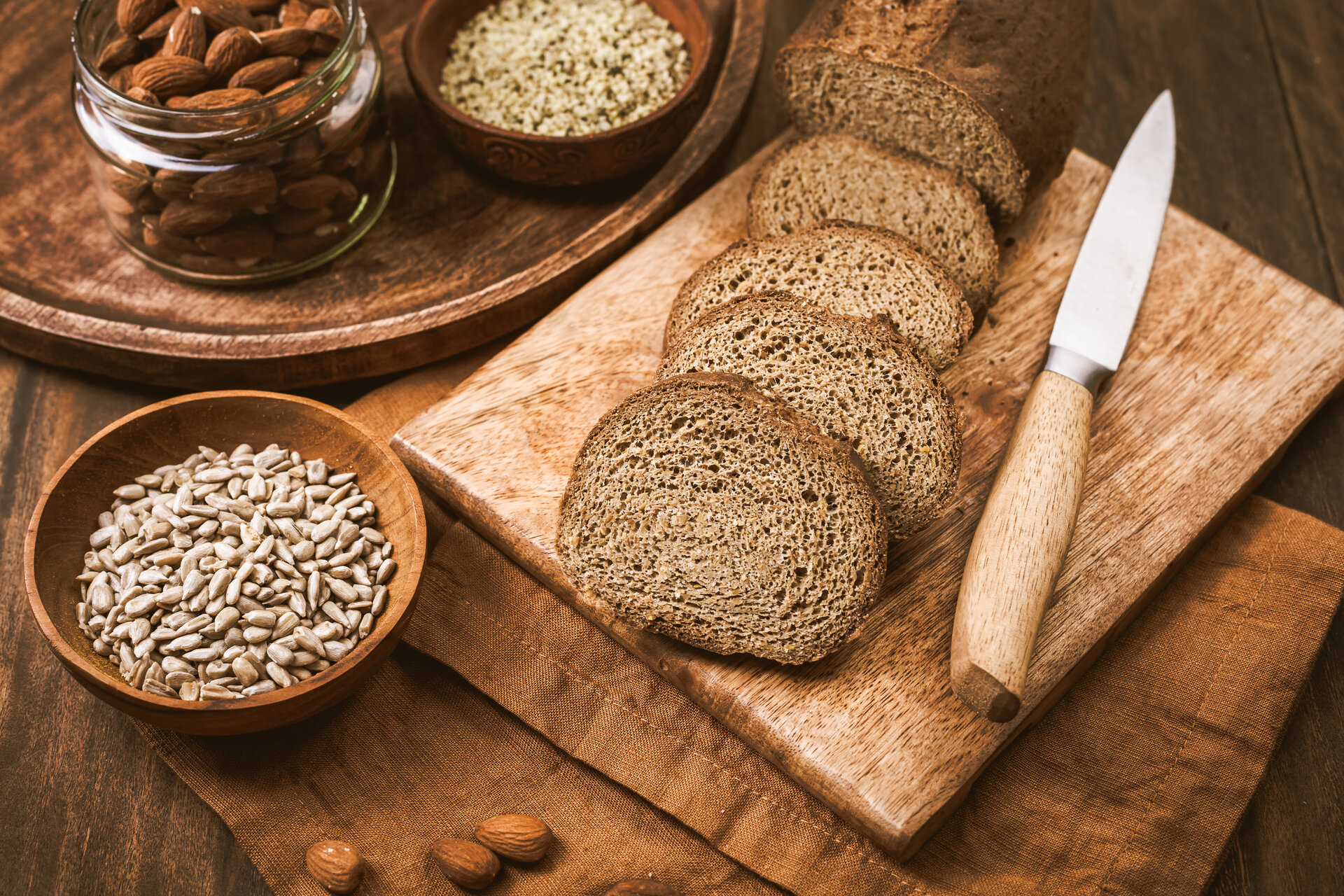
The production of gluten-free foods is now one of the most challenging areas of the food industry. Whilst gluten-free products were originally aimed exclusively at people with coeliac disease or a diagnosed gluten intolerance, this market segment has expanded significantly in recent years. Consumers increasingly associate gluten-free foods with a health-conscious diet, high product quality and innovative recipes. Consequently, demand for high-quality baking mixes, protein products, snacks, instant products and functional food mixes is growing steadily. Challenges in production and requirements for industrial mixing technology.
For manufacturers, however, this development places significantly greater demands on production. In traditional cereal products, gluten fulfils a wide range of technological functions. It provides elasticity, stability, water-binding capacity and a uniform pore structure. If gluten is removed from a recipe, these properties must be replaced by a precisely balanced combination of different raw materials.
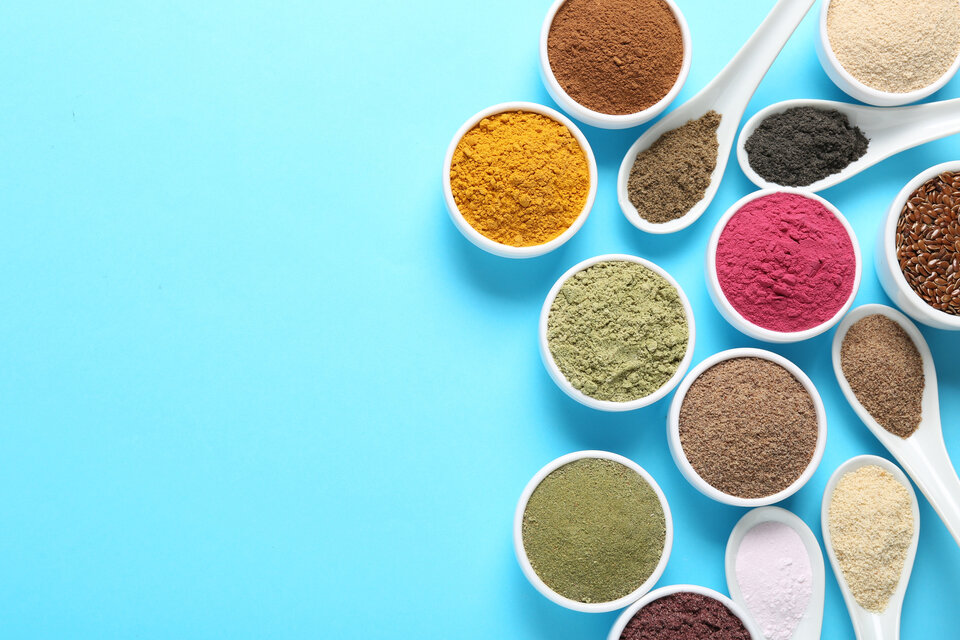
The production of gluten-free products therefore usually begins with a complex powder mixture. It is at this stage that it is determined whether the final product will possess the desired properties. An uneven distribution of individual components can lead to significant variations in quality and affects, amongst other things, flavour, texture, water absorption and baking behaviour.
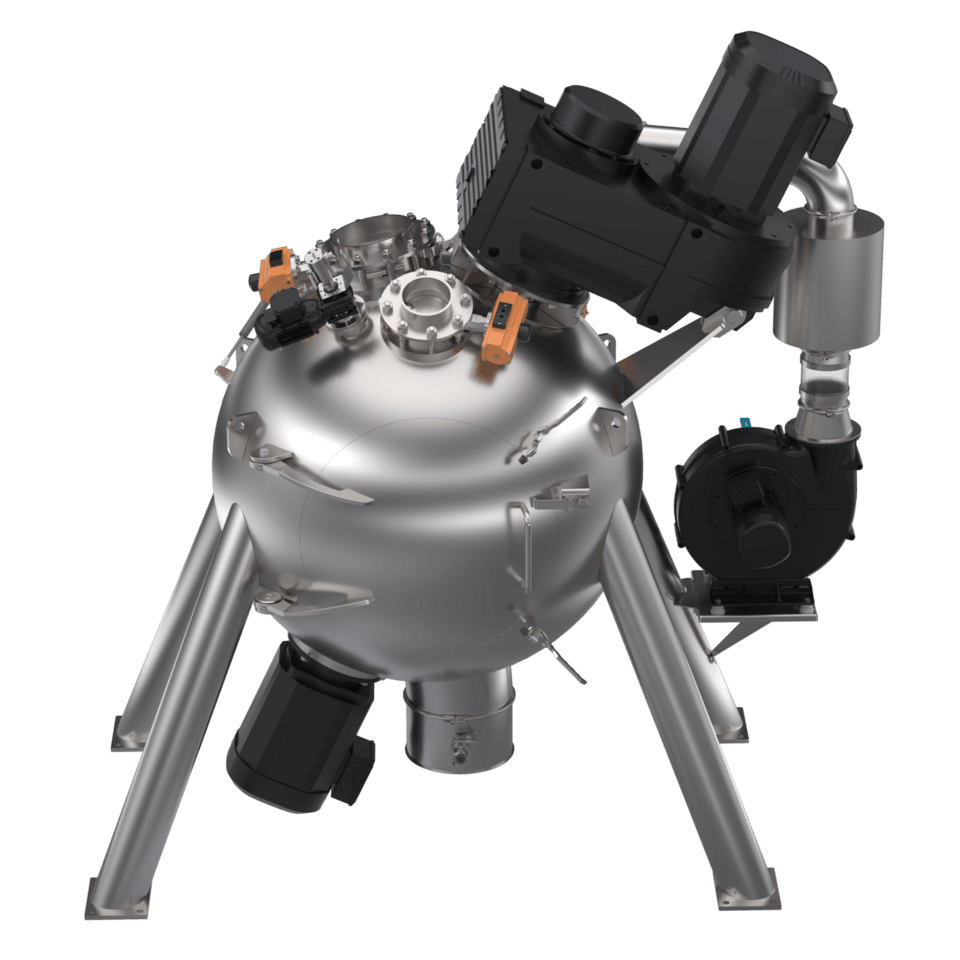
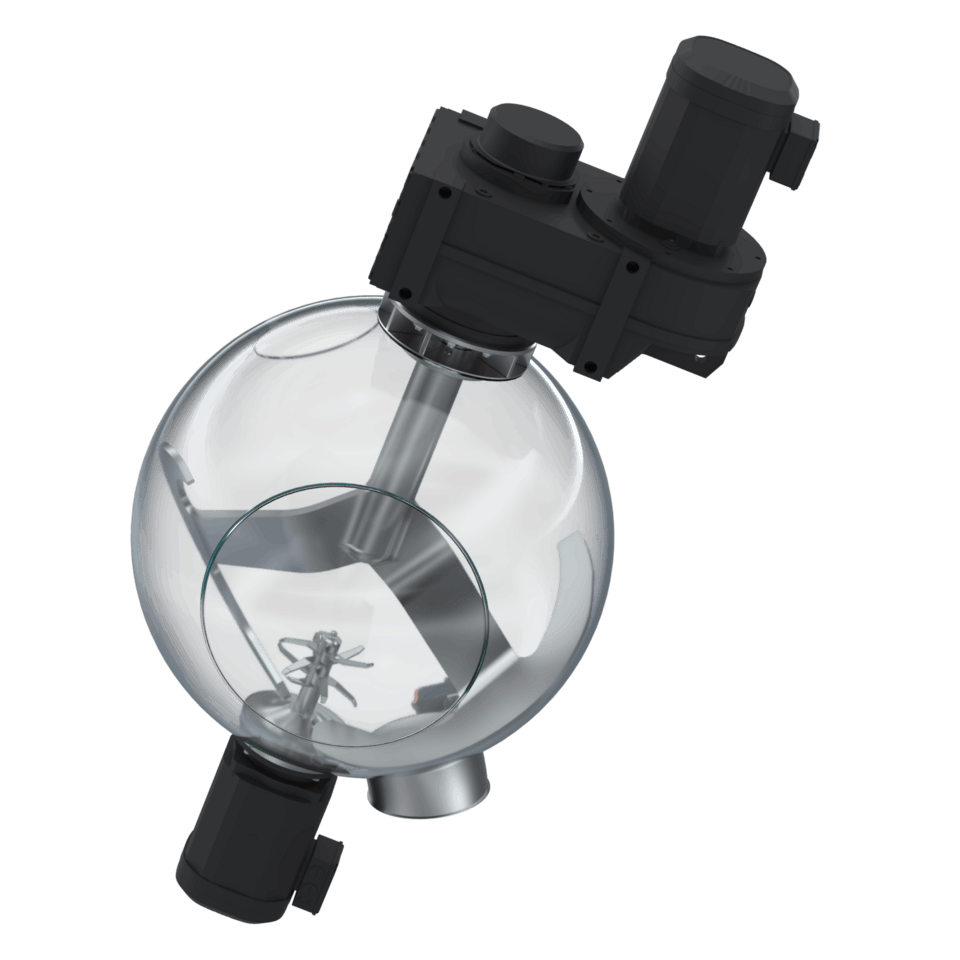
For this reason, industrial mixing technology is now one of the most important process steps in the production of gluten-free foods. Modern industrial powder mixers, food mixers and powder mixers for bulk materials enable the reproducible homogenisation of a wide variety of raw materials, thereby making a crucial contribution to product quality.